





MEMBER UPDATE
HHSRS is changing: what RPSA members should be aware of

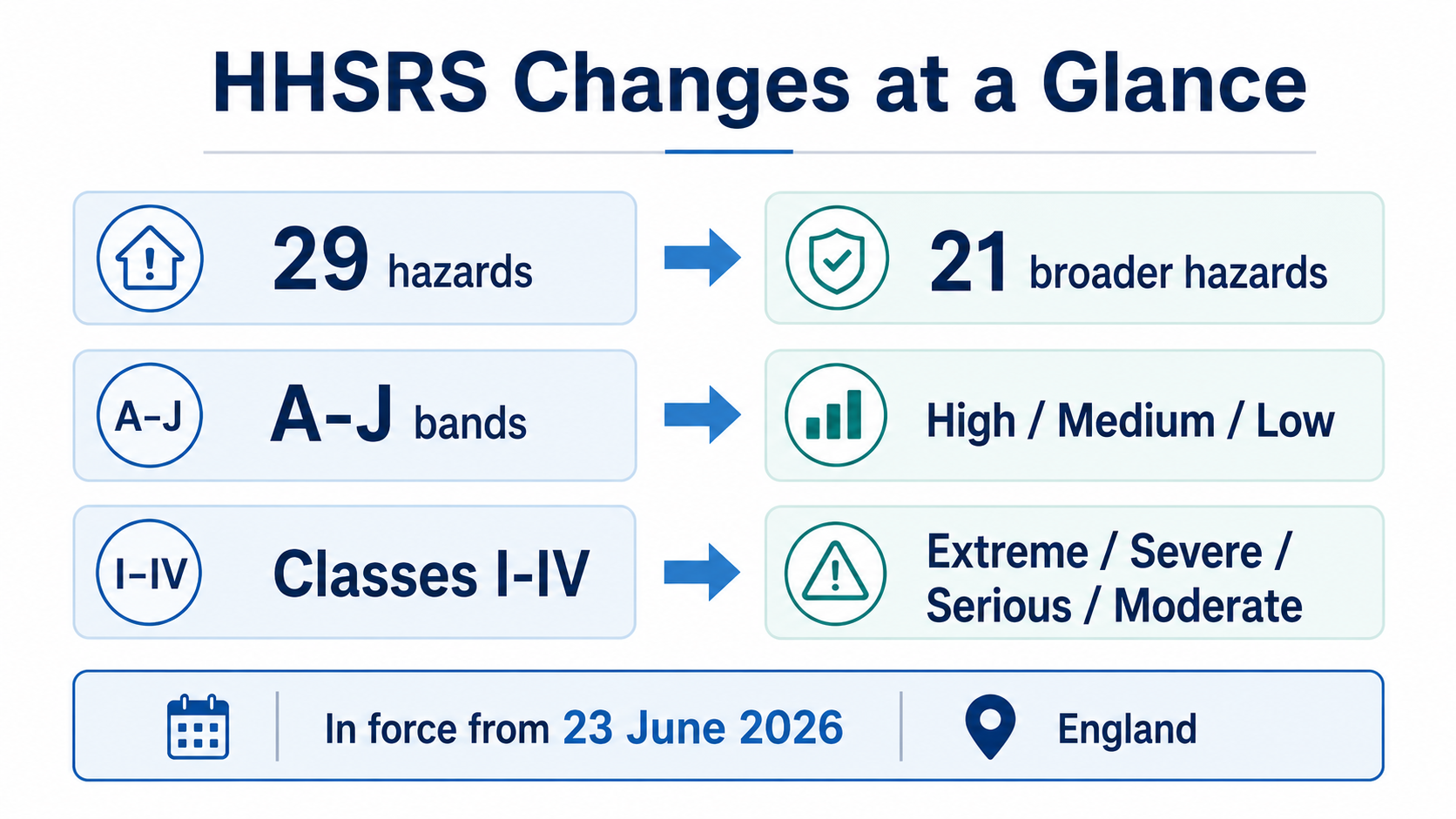
The Housing Health and Safety Rating System, commonly known as HHSRS, is being updated from 23 June 2026.
This is not a replacement of the HHSRS regime, but it is a significant amendment to the way hazards are described, scored and categorised when local authorities assess housing conditions under Part 1 of the Housing Act 2004.
For many RPSA members, this may not change the nature of their day-to-day residential survey work. RPSA members are not generally carrying out statutory HHSRS assessments on behalf of local authorities. However, the changes are relevant to members who inspect rented homes, carry out buy-to-let surveys, advise landlords, prepare health and safety summaries, or use report wording that refers to the existing HHSRS hazard structure.
The changes follow the Housing Health and Safety Rating System (England) (Amendment) Regulations 2026, which amend the existing 2005 Regulations. The explanatory note to the Regulations says the purpose of the amendments is to make the assessment method easier to understand and apply.
What is changing?
The main changes include:
- The previous 29 hazard descriptions are being consolidated into 21 broader hazards
- The existing Classes I, II, III and IV of harm are being renamed as Extreme, Severe, Serious and Moderate
- The previous A to J hazard bands are being replaced by three bands: High, Medium and Low
- A high band hazard will be a Category 1 hazard
- Medium and Low band hazards will be Category 2 hazards
- The fire hazard description is being broadened to include exposure to uncontrolled fire and associated smoke and fumes, explosion, and collapse of the whole or part of a building as a result of fire or explosion
- Some hazard descriptions are being grouped under broader headings, including Indoor Air Pollutants, Domestic Hygiene, Falls on the level, Fire and explosions, and Collisions, Entrapment and Ergonomics
The amended Regulations come into force on 23 June 2026. The transitional provision states that, for local authority inspections under section 4 of the Housing Act 2004, the amendments apply to inspections commenced on or after 22 June 2026.
The Regulations amend the England Regulations. Members working outside England should check the framework that applies in their area.
Why does this matter to members?
The HHSRS remains the statutory tool used by local housing authorities to assess housing hazards. Where a local authority identifies a Category 1 hazard, it has a duty to take appropriate enforcement action. Where a Category 2 hazard is identified, it has a power to act.
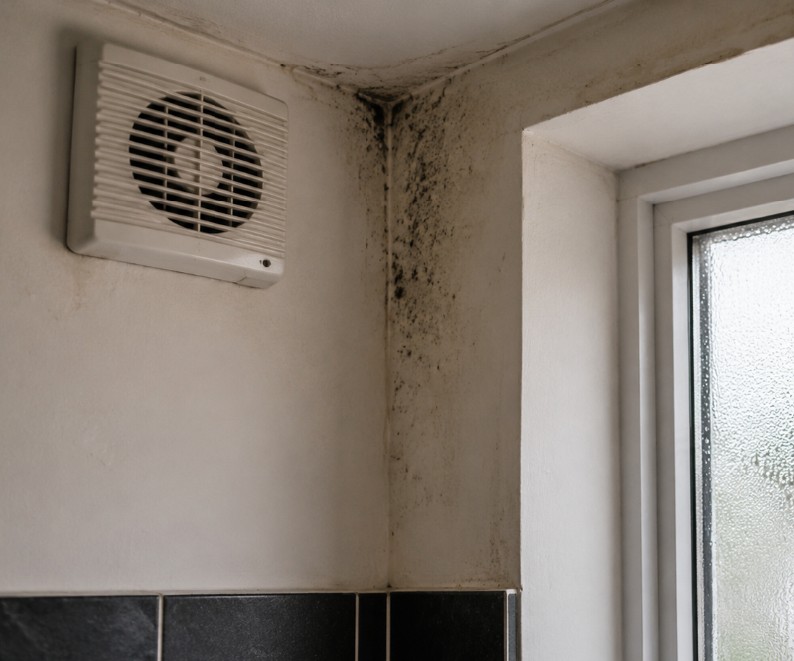
Although most RPSA members are not carrying out formal HHSRS assessments, many members will encounter the same issues in practice when inspecting rented homes. Damp and mould, excess cold, fire safety, falls, electrical hazards, carbon monoxide risk, overcrowding, hygiene, water supply, structural instability and other safety-related matters are all issues that can arise during normal residential inspection work.
Members who provide buy-to-let reports or landlord-focused safety reviews should therefore check whether their existing report templates, site notes, guidance documents or client explanations still refer to:
- The old 29 hazard structure
- Old hazard numbers
- Classes I to IV
- Bands A to J
- Wording that suggests the report itself is a statutory HHSRS assessment
- Older references to fire, explosion, hygiene, falls or indoor pollutants that may now need updating
This is particularly important where reports include a health and safety summary or a buy-to-let review intended to help landlords understand matters that may require attention before or during a tenancy.
A note of caution
This change does not mean surveyors should suddenly present normal residential surveys as statutory HHSRS assessments. That distinction remains important.
A residential survey or buy-to-let survey may identify defects, risks and matters that a landlord should consider. It may also point out issues that could be relevant to the HHSRS framework. However, unless specifically instructed, appropriately trained and operating within the correct statutory context, members should take care not to imply that they are carrying out a formal local authority HHSRS assessment.
Clear wording in reports remains essential.
What should members do now?
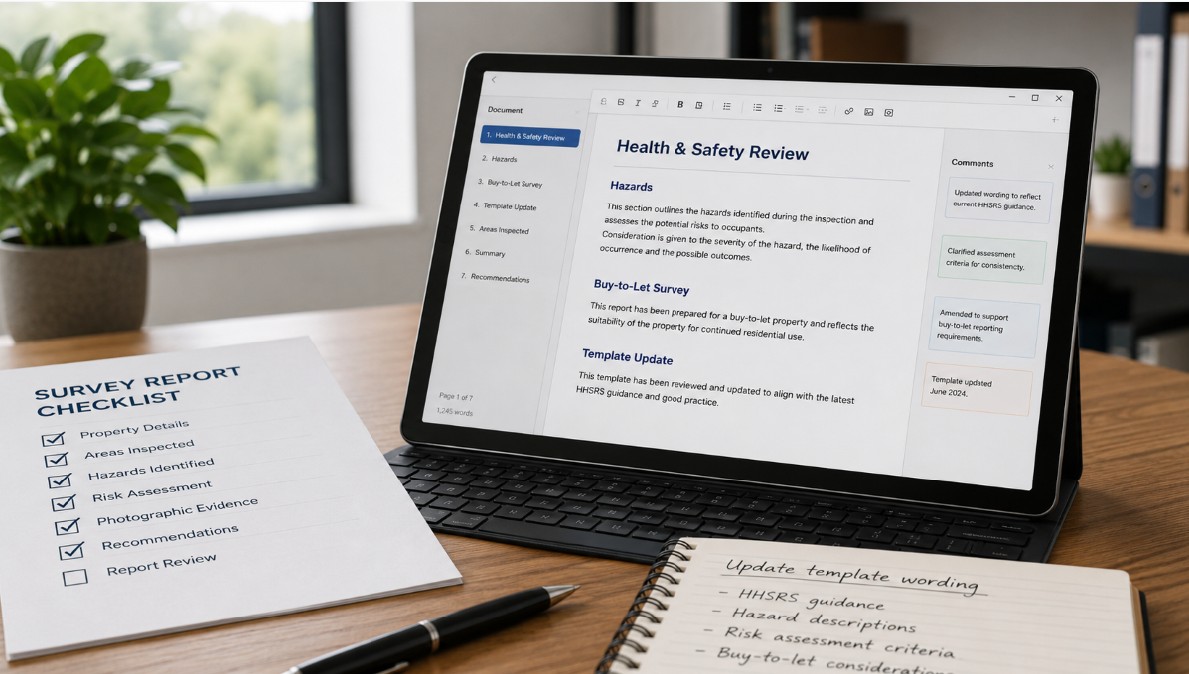
At this stage, members who carry out buy-to-let work or landlord-focused reporting should:
- Review any HHSRS wording in their reports and terms of engagement
- Check whether any templates still rely on the old 29 hazard categories
- Avoid using outdated references to Classes I to IV or bands A to J once the new system is in force
- Make sure clients understand the difference between a surveyor's safety observations and a statutory HHSRS assessment
- Keep an eye out for updated statutory guidance, baseline indicators and any sector-specific guidance that may affect report wording
RPSA is reviewing the changes and will provide further guidance for members once the final position has been checked against the Regulations and supporting guidance.
In the meantime, members should treat this as a timely prompt to review their buy-to-let report wording, health and safety notes and landlord-facing advice.
We will also consider whether any RPSA template wording or member guidance should be updated to reflect the revised terminology.
Further information will follow.


