


15
Jul
-
 Emily Grant
 - 15 July 2026


 Emily Grant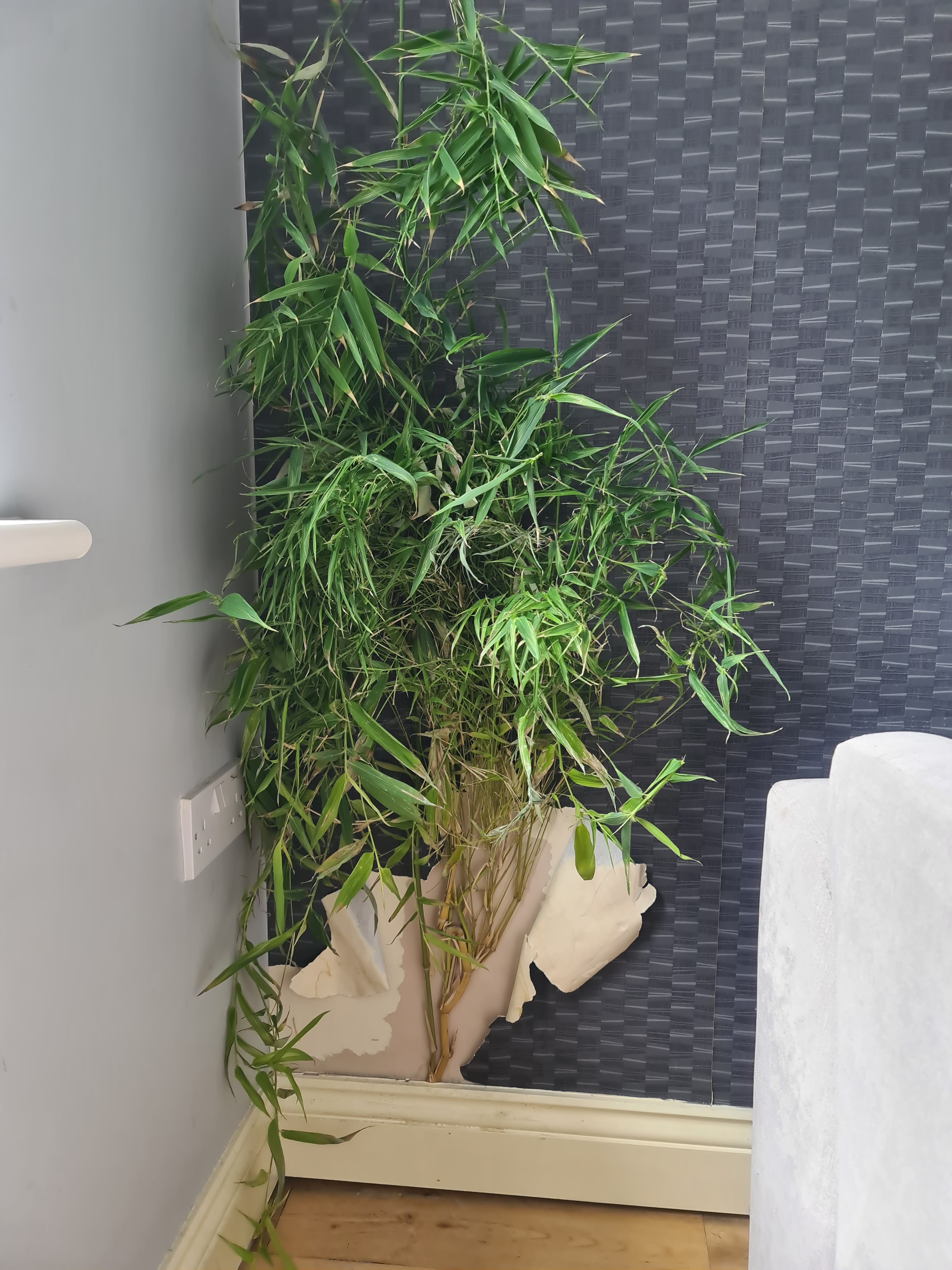
As awareness of the problems caused by bamboo grows, it’s being flagged up more frequently during property transactions. Emily Grant, Director of invasive plant specialist Environet, explains what surveyors need to watch out for.
Surveyors are well aware of the issues around Japanese knotweed, yet there is currently no obligation to flag up bamboo on a property survey, despite the fact it can be equally invasive and cause just as much – if not more – damage to property. Homebuyers are therefore reliant on surveyors as their first line of defence to identify any bamboo issues and flag them up for further investigation.
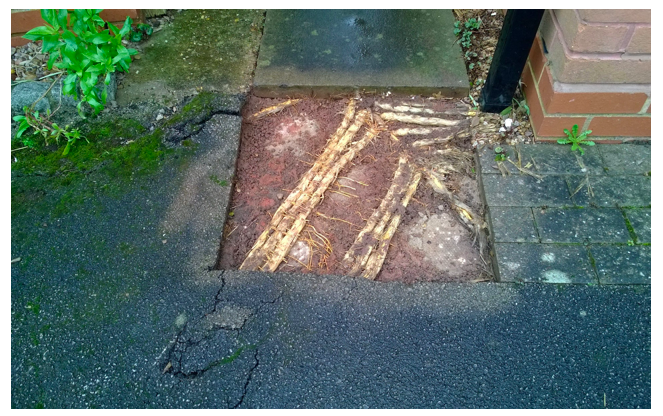
There are over 1,000 varieties of bamboo and around 300 in the UK, which can generally be categorised as either ‘running’ or ‘clumping’ varieties, and it’s the ‘running’ types that are the most problematic. Once established, which can take as little as two or three years, they very quickly send out long, lateral rhizomes that can travel several metres from the original plant, emerging in new locations – often in neighbouring properties.
‘Clumping’ varieties tend to remain confined to one area of the garden and are usually much slower to spread, but surveyors should be aware that even they can become invasive over a long period of time.
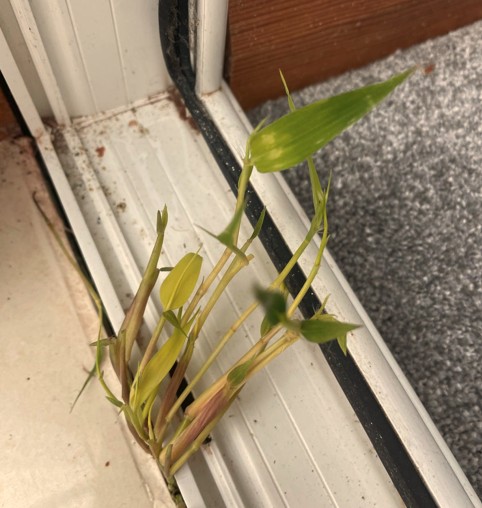
Bamboo rhizomes are incredibly tough and resilient, easily working their way into building foundations, exploiting joints and weaknesses, as well as drains and pipework, patios and pathways. We’ve seen several cases of bamboo travelling under buildings and emerging inside.
In one particularly memorable case in Hampshire, it had travelled from next door’s garden, penetrated the damp proof membrane of the house and popped up between the skirting board and the wall of the living room. It also made an appearance behind the washing machine in the kitchen and through the study floor. The entire ground floor slab of the house had to be broken up and removed to allow the bamboo rhizome to be excavated, resulting in a home insurance claim exceeding £100,000.
This is an extreme case, but it shows how bamboo can easily exploit weaknesses in a property’s structure.
Approximately 12% of all Environet’s bamboo enquiries relate to property transactions, usually where a surveyor has identified a bamboo infestation and recommended further investigation via a specialist bamboo survey.
As buyers become more aware of the associated risks, and with around 8% of UK homes affected by bamboo according to a recent survey we undertook with YouGov, many are insisting that problematic infestations are addressed prior to purchase – or an appropriate price reduction is applied.
This can cause delays and disagreements between buyers and sellers over who should bear the cost of the survey – and potentially the plant’s removal. It can also lead to transactions falling through where an agreement can’t be reached, or the buyer isn’t prepared to accept the risk of buying the property with the plant in situ.
One of our clients, a first-time buyer in Bristol, had noticed bamboo in both the front and back gardens of the terraced house she planned to buy before her surveyor flagged it on his Level 2 report, recommending further investigation. Our team carried out a bamboo survey which determined it was a ‘running’ variety which was already posing a threat to underground pipework and encroaching into the neighbouring property.
The buyer requested a reduction in the price to pay for the bamboo to be removed, but the vendor (supported by their estate agent) refused, stating the work was unnecessary. It was only when they withdrew their offer that the seller finally agreed to a price reduction covering half the removal costs.
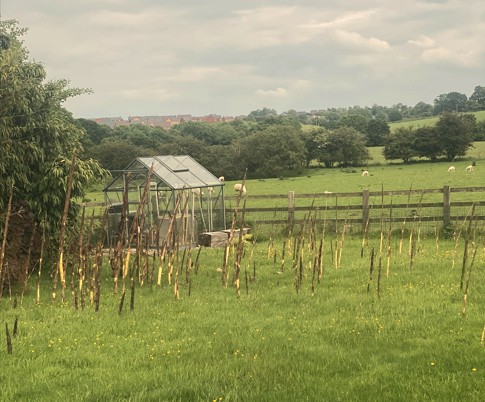
In addition to the potential damage to their own property and the associated removal and repair costs, buyers and surveyors must also consider the risk of future legal action if the plant has spread or is at risk of spreading to a neighbouring property.
One of our clients recounted the shock of answering a knock on the door the day after she moved into her new home, only to be met by her new neighbour asking what she planned to do about the bamboo which had crossed the boundary into their garden. Not the ‘welcome to the neighbourhood’ she might have been hoping for…
Of course, on the TA6 form sellers are legally obliged to declare any resolved or ongoing disputes with neighbours, which offers some safety net for buyers, but conflict may not yet have arisen over the issue – or the neighbour may at that point be unaware that the bamboo has already spread beneath the ground into their property.
Not every bamboo plant is a problem and there are certain red flags to look out for when assessing the level of risk and deciding whether or not a bamboo survey is necessary.
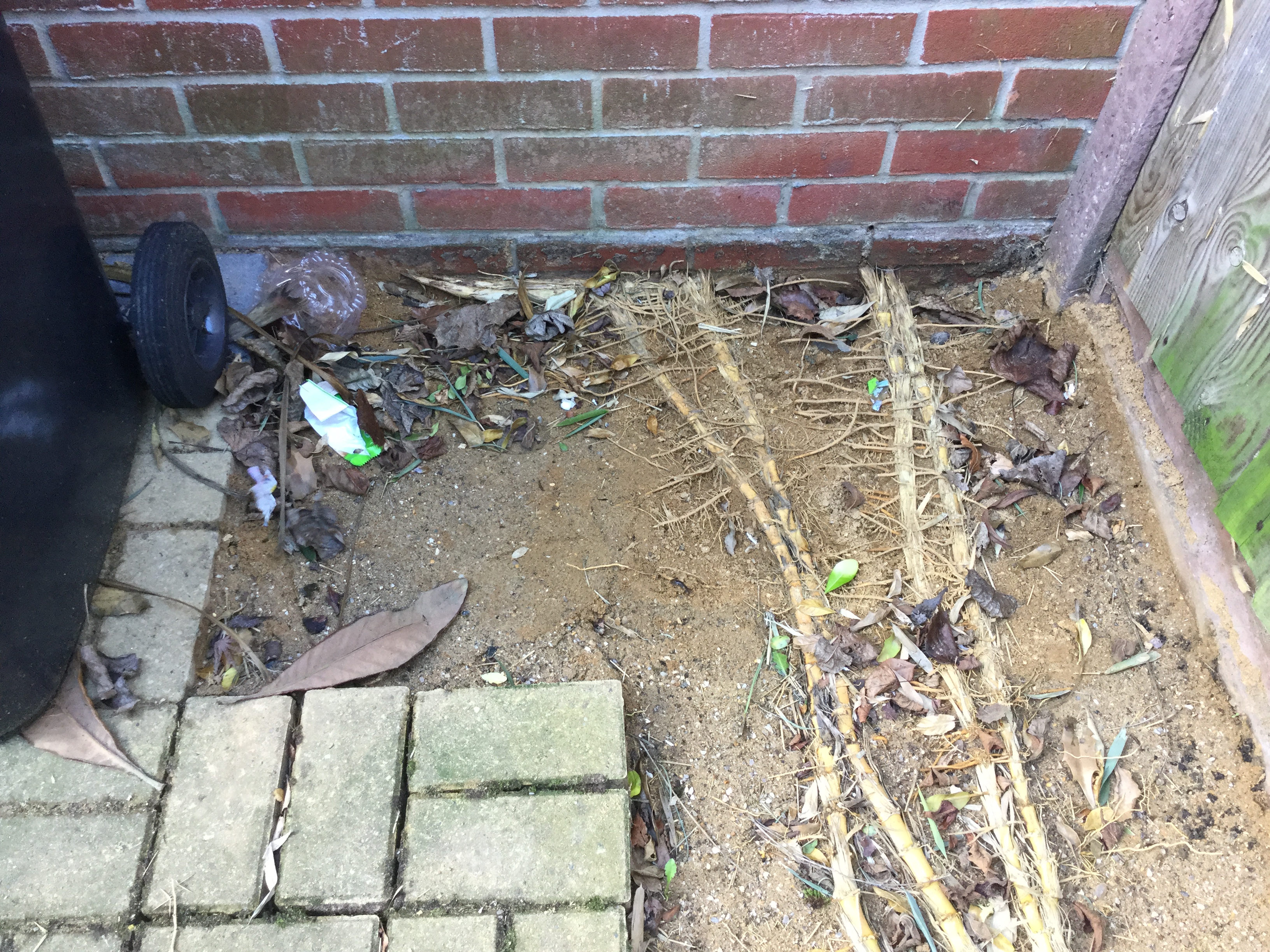
There’s no doubt that bamboo is now the plant most likely to cause serious property damage or legal repercussions for buyers, yet unlike knotweed there are no specific lending restrictions or TA6 questions in place to protect them.
Unless greater protections are introduced, buyers will continue to rely on surveyors to identify invasive bamboo and protect them from costly damage and disputes further down the line.
Environet specialises in expert consultancy and the treatment and removal of invasive plants.
One of our Notebook video summaries. (Hopefully not too American)
We created two videos here (obviously with the help of AI) - Same to waste one - two for one day!


